Aarhus Cultural Hub
The Aarhus Cultural Hub set out to create an environment of democratic and participatory culture-making inspired by museum collections and exhibitions. Through co-creative game-making, youth participants and Hub partners developed skills, processes, and methods for reimagining cultural heritage and European values. An iterative and experimental process was crucial for uncovering what brings contributors together and for tapping into their expertise.
Meet the Hub
The Aarhus Cultural Hub in Denmark brings brings together expertise in value-sensitive design, cultural sensitivity, and societal belonging through its partners:
- Cultural Heritage: ARoS Aarhus Kunstmuseum
- Creative Industries: Filmby Aarhus
- Higher Education: Aarhus University (Cultural Hub Lead)
- Youth Citizens: Youth Advisory Board and Youth Participants
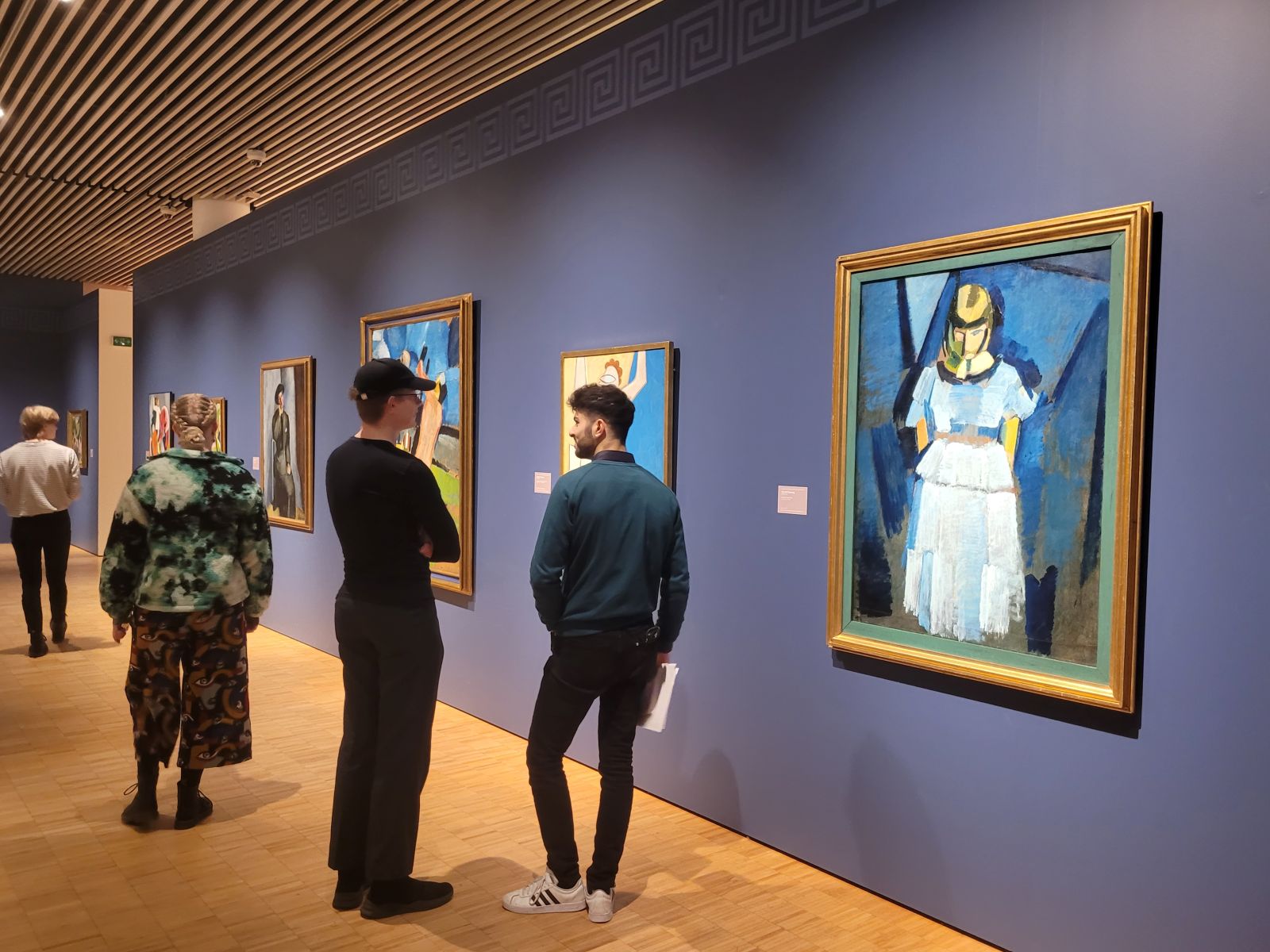
These partners wanted to test and iterate Game Jams as a way to collaborate with youth and reimagine culture. ARoS Museum’s permanent cultural heritage exhibition of philosophy, religion, exploration and landscape was a broad source of inspiration across the different game jams, providing a tangible and virtual space to explore European values, heritage, and identity.
The greatest part of participating was learning a new way to make games, like trying to think about it from another perspective … the way that this game jam was held was completely different. Maren, Game Jam participant
I believe the output can give us great insight into what it’s like to be a young person today. And by making a game together, they make a new piece of art, in its own right. Anne Schulin, Mothworks
To hear more from Hub participants on why they joined and what they learned from Cultural Game Jams, check out the expert interviews.
Cultural Game Jams
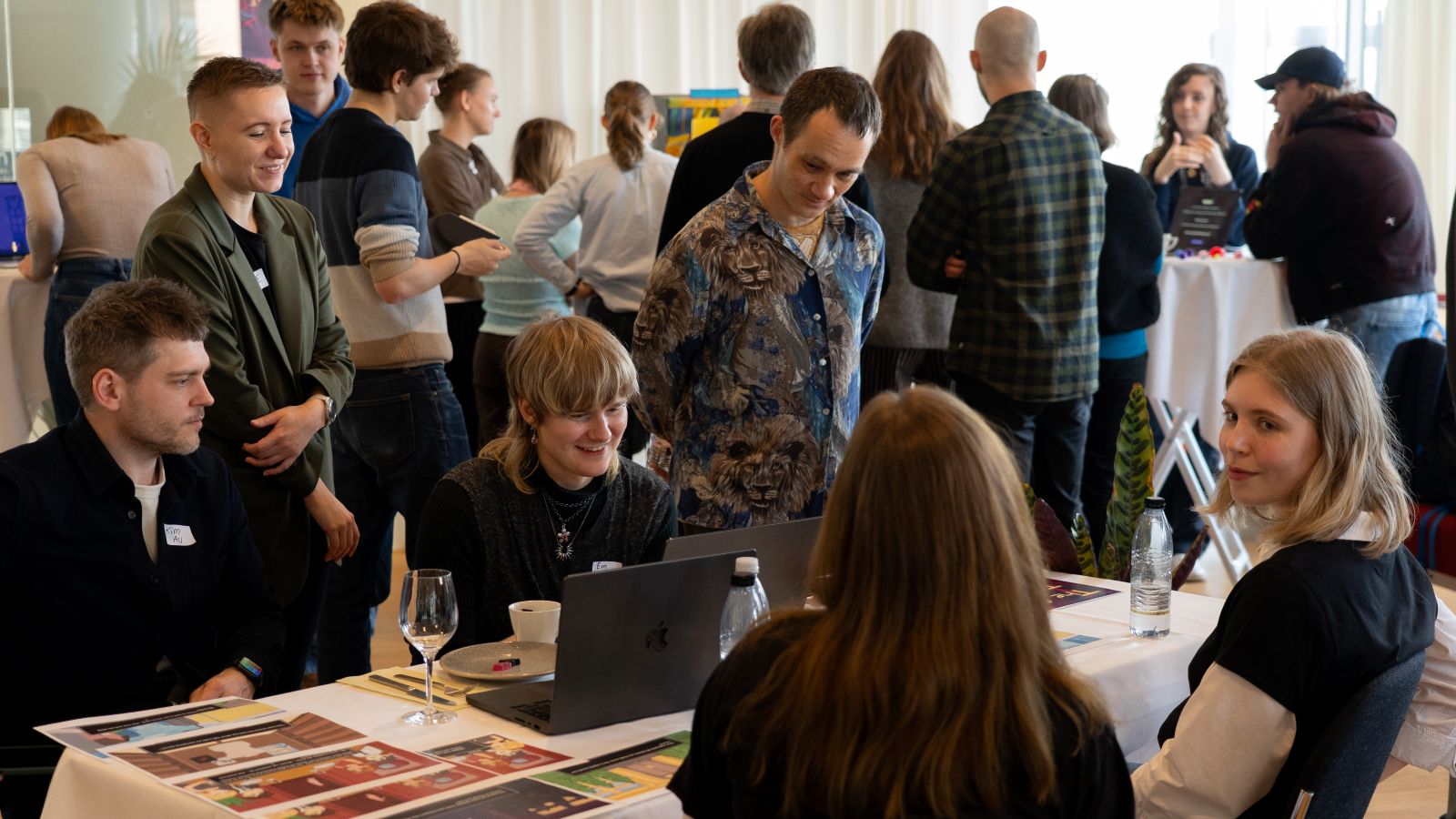
Cultural Game Jams are immersive, hands-on events where participants are game makers. By prototyping, storytelling, and imagining games that engage with heritage, societal values, and pressing issues, game makers are making, interpreting, and experiencing culture. A selection of ARoS Museum’s collections and exhibition spaces were the foundation for each of the Cultural Game Jams. The broad artistic and historical context reflected in these collections were reimagined, reinterpreted, and connected with other themes through the game-making format.
After each Cultural Game Jam, key learnings and challenges helped to iterate and change the next Game Jam. It was important to reflect on participant feedback and experience, and the extent to which cultural heritage and European values were integrated.
It’s really just a cool experience to come up with and make a fun game based on struggles or good values in our society. Game Jam participant
Iterating Cultural Game Jams
Cultural Game Jam 1 - February 2–4, 2024
- 23 participants (ages 15-27, open recruitment).
- Theme: This first Game Jam was centred on ‘Human Nature’, drawing on ARoS Museum’s permanent cultural heritage exhibition exploring the human condition through themes of philosophy, religion, exploration, and landscape. Participants were encouraged to interpret selected artworks.
- Additional partners: For the expert council and jury, coding experts from Coding Pirates, game developers from Funday Games, researchers, and the museum Head of Public Engagement were invited.
- Highlight: Useful tools included a ‘Cultural Safari’, an artwalk and immersive exploration of artworks, and the ‘Ideation Wheel’, which connects cultural themes, European values, and game types.
- 5 prototype games
- What worked: THub partners collaborated well, fostering co-creation between art professionals, game developers, and students. Participants engaged critically with cultural heritage, creating innovative reinterpretations that could inspire others.
- What needs improvement: Research needs and participant experience should be balanced better, documentation requirements for example asked too much of participants, and paperwork needs to be simplified. The Expert Council should provide their feedback earlier, as teams were reluctant to pivot after coding had already begun.
What changed?
- First Hub to propose forming a Youth Advisory Board, leading to revision of Cultural Game Jam Kit.
- Engagement was scaffolded through ‘pre-boarding’ on Discord.
Cultural Game Jam 2 - September 7–8, 2024
- 39 youth participants (mix of open recruitment and one secondary school class)
- Theme: Focused on post-1960 contemporary art from the cultural heritage exhibition ARoS Collection: 1960 - now, with participants reflecting on modern identity, culture, and European values.
- Additional partners: Coding Pirates and Fair Games were involved in the expert council and jury, along with members of the Youth Advisory Board, a university researcher, and a museum registrar.
- Highlight: A slower facilitation rhythm proved more inclusive, allowing more space for questions, reflection, and private breaks where needed.
- 9 prototype games
- What worked: Youth participation and empowerment was strengthened through Discord pre-boarding and Youth Advisory Board-led icebreakers. To integrate cultural heritage, curated art tours and Expert Council feedback helped to ground the game design.
- What needs improvement: There were some challenges in the preparation phase, ideally starting communication and documentation earlier, especially regarding consent protocols for participants under 18. More structured and varied support is needed for inclusive facilitation.
What changed?
- Shift to a closed, programme-based recruitment, embedding the Game Jam into the BA Digital Design curriculum.
- Refined Cultural Game Jam Kit helped structure the week, reducing cognitive overload while still supporting cultural-creative exploration.
- Mini-council session added midweek to provide earlier feedback from experts to participants.
- Introduction of P5 Play game engine, chosen for its accessibility, JavaScript-based design, and curricular fit.
- Aarhus University hired a dedicated youth liaison to ensure youth perspectives shaped preparatory decisions and facilitation approaches.
Cultural Game Jam 3 - March 3–7, 2025
- 45 participants (ages 20-32, Digital Design students Aarhus University)
- Theme: Engaging with the shared theme, ‘That’s Not Fair!’ across all the Hubs, students made value-sensitive games for culture about fairness, inclusion, and justice inspired by the cultural heritage collection. This Game Jam ran as a five-day, multi-venue event across ARoS, Filmby Aarhus, and Aarhus University.
- Additional partners: As part of the Council, industry partners from Mothworks, Funday Games, and Chop Chop Games provided inspirational talks, mentorship, and feedback.
- Highlight: During the Games Exposition, most of the teams complemented their games for culture with installation-inspired paratexts, enriching their cultural heritage presentation and also engaging the museum audience.
- 11 prototype games
- What worked: Learning outcomes were strengthened, with students connecting practical skills in game-making to analytical reflection. Youth participants grew more confident and critical throughout the game jam in their engagement with cultural heritage and civic issues.
- What needs improvement: The platforms for communication and documentation created some barriers to participation, these should be further streamlined. Participants asked for the process of documentation in game logs to be simplified, as it was too demanding. A single named lead facilitator would also help prevent some confusion for participants.
What changed?
- Exploration of the ‘slow jam’ format, significantly extending the time frame and embedding the game jam within the curriculum.
- Introduction of extended focus on XR technologies as tools for cultural expressions.
- Curated selection of artworks from Human Nature collection to help spark participants’ creative processes, and support connecting with artistic and historical context.
Cultural Game Jam 4 - March 21–May 9, 2025
- 61 participants (ages 22-28, from Digital Design and Computer Science programmes at Aarhus University)
- Theme: A six-week “slow jam” where Digital Design and Computer Science students remixed ARoS public-domain cultural heritage artworks into games through culture in the form of AR/VR prototypes, engaging with the cross-Hub theme, ‘Heritage Remixed’.
- Additional partners: MANND and Mothworks were invited to provide XR inspiration and workshops for Unity development. Amalie Kjær from Mothworks, ARoS' project Manager Kasper Marius Nørmark, Claus Toft-Nielsen from Aarhus University and one of the youth participants from the very first CGJ were invited as part of the Expert Council and Jury.
- Highlight: The embodied artwalk, where participants were prompted with statements such as, “Step into the painting. Where do you land?” encouraged participants to explore the hidden narratives within the artworks.
- 18 prototype games
- What worked: The structured CGJ Kit phases provided a clear workflow, helping to balance creativity and deliverables. Cultural heritage was anchored through the Human Nature collection, inspiring original, imaginative, and cultural-critical reinterpretations of heritage. By producing XR prototypes, there was cross-disciplinary learning between design and programming students.
- What needs improvement: XR setups were technically fragile, creating frustration and hindering final testing. When embedded in a curriculum, differences in motivation can also emerge for participants. Communication on Discord and via other channels can still be made more clear.
Read the report D4.1 for more detailed descriptions of each of the game jams, recruitment process, planning, execution, research methods, feedback.
Games
The games developed during the Cultural Game Jams are representative of the collective work of all stakeholders, reflecting workshops, resources, feedback, and other forms of co-creation involving every member of the ecosystem. Through the format of the Cultural Game Jam, partners and participants experimented with how to bring different forms of expertise and imagination together, co-creating game prototypes that engage with many forms of cultural values and cultural heritage.
The following image gallery shares a sample of the game prototypes co-created at the Aarhus Cultural Hub. They can be explored in full on the Cultural Games Prototype page.
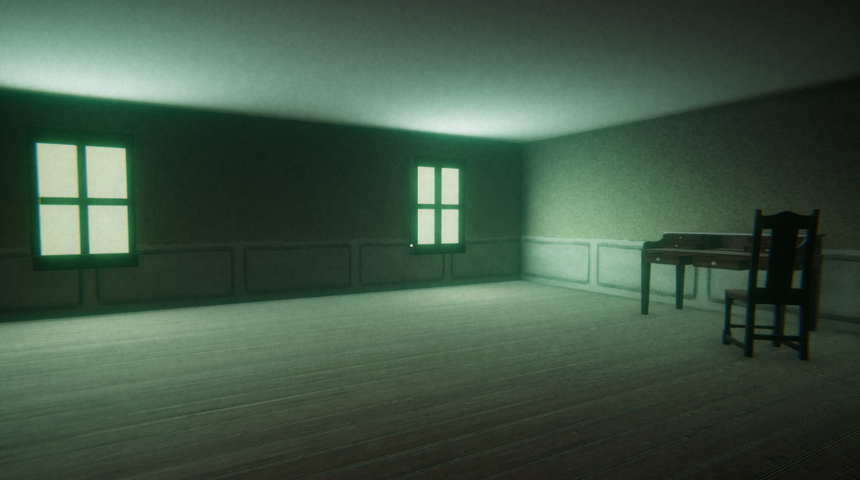
Featured Games
Following the Cultural Game Jams, a handful of cultural game prototypes were selected to be developed further in collaboration with Cultural Hub partner Mothworks, an independent game studio in Aarhus driven by innovative narrative design, cutting-edge visuals, and a life-long fascination with the Human Condition.
PsyKiosk
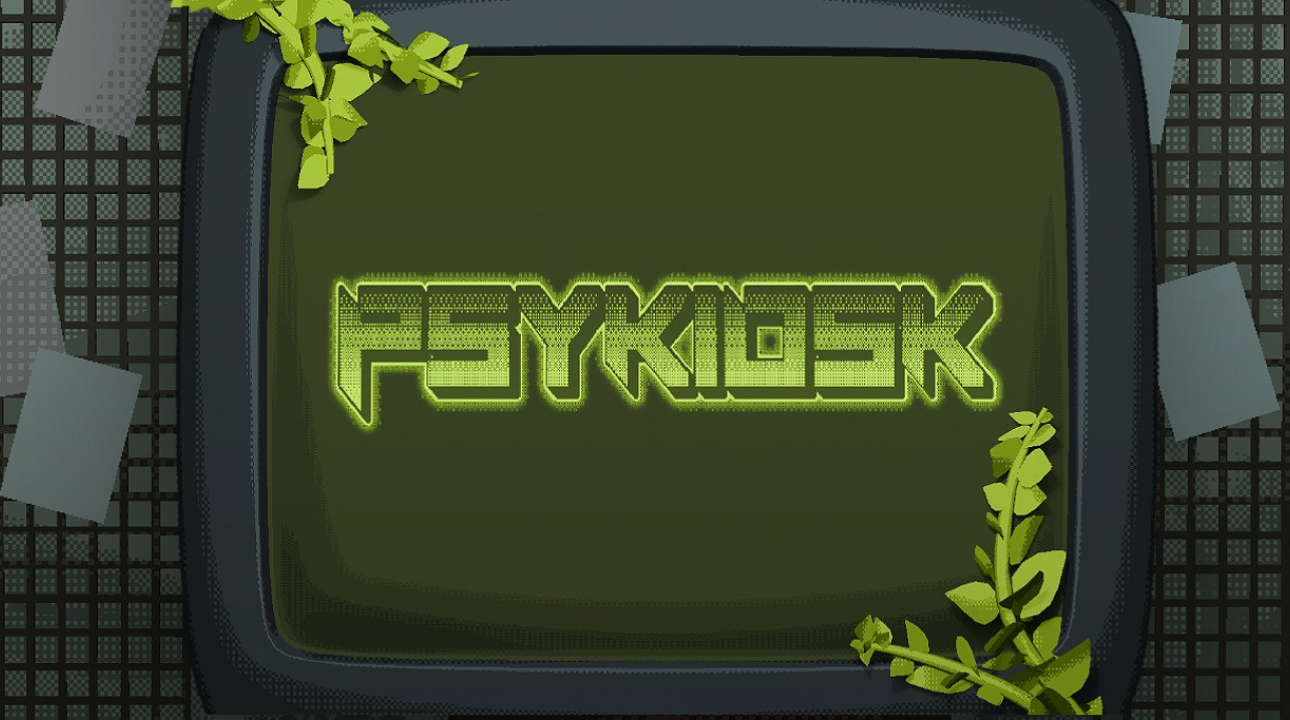
PsyKiosk is a point-and-click ethics adventure game that forces players to make difficult ethical choices—only to realize that no matter their actions, the end result is the same. The game provokes thought about fairness, ethics, and the illusion of choice, engaging players in a narrative where ethics is not black and white.
The game was originally created by Team 404, four young people who took part in the third Cultural Game Jam in Aarhus and later matured in collaboration with the game studio Mothworks.
Metamorphosis
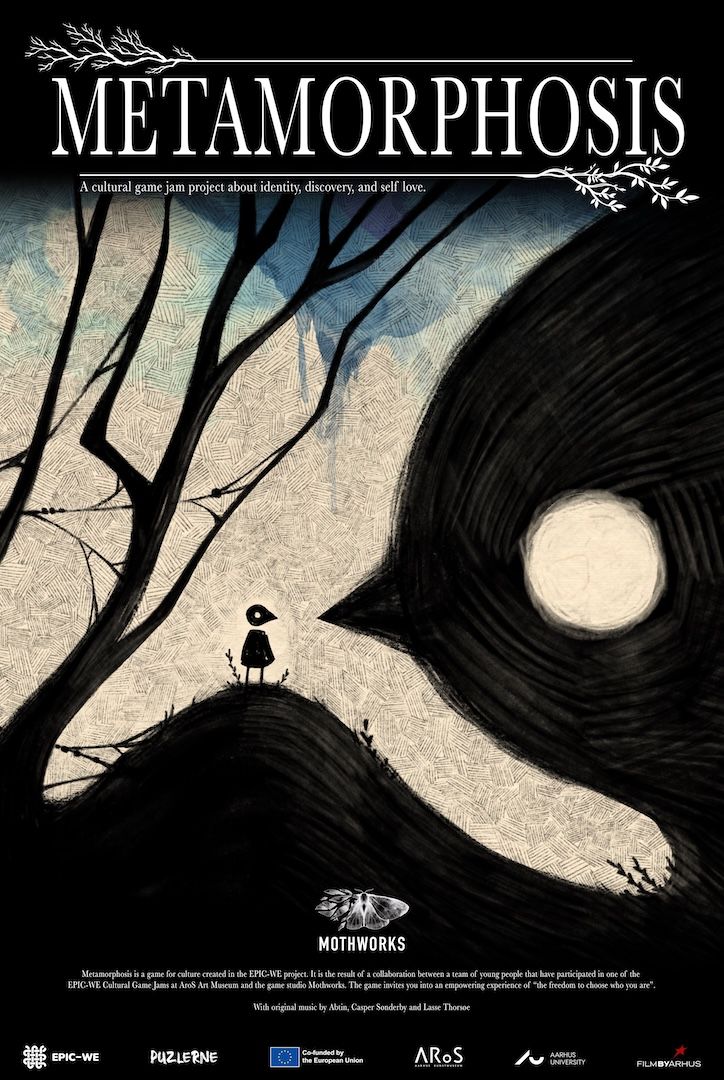
In Metamorphosis you can explore identity and freedom of choice through playful interactions with prisms, colours, and gender themes, especially drawing inspiration from works by Olafur Eliasson, Andy Warhol, and Sif Itona Westerberg at ARoS Aarhus Art Museum in Denmark.
The initial game for culture prototype was created by Team Puzlerne, four young people who participated in the second Cultural Game Jam in Aarhus. The final result has been created in close collaboration between Team Puzlerne and Mothworks.
You can explore the featured games developed in collaboration between youth and creative industry at each Cultural Hub.
Learnings and Impact
Each Cultural Hub is guided by six core principles for cross-sector, participatory cultural innovation: democratizing cultural innovation, forming equal and transformative partnerships, meeting in the middle, co-creating for public good(s), developing real-world Cultural Hubs, and advancing empowered participation. These principles helped structure reflection and evaluation on how partners worked together, shared responsibility, and contributed to co-creation. The following section shares learnings and reflections from the Aarhus Cultural Hub across several of these principles. For more about how all six of these principles were implemented across all Hubs, read the D4.2 report.
Democratizing Cultural Innovation
Young people are at the heart of the project Filmby Aarhus
In early 2024, the Aarhus Cultural Hub formed the first EPIC-WE Youth Advisory Board (YAB) with three members selected for their diverse expertise in game design, arts, and media, later expanding the group to include international members and growing to six participants. Although participation is entirely voluntary without financial compensation, members gain non-monetary benefits such as professional networking, skill development, and meaningful sector connections. A key structural evolution saw local YABs invite one representative to join the project's main Advisory Board, thereby granting youth a formal voice in strategic decision-making. Despite this formal inclusion and the board's growth, some members noted a gap between their formal role and actual influence, specifically expressing a desire for greater involvement in the planning of Cultural Game Jams. This feedback highlighted the ongoing challenge of transitioning from consultation to genuine agency within a collaborative model.
Developing Real-World Cultural Hubs
Rather than creating new or external ‘innovation spaces’, this principle asks Cultural Hub partners to use their cultural homes and reconfigure these spaces to be collectively occupied and acted on. Opening up access, dispersing to multiple locations, and rethinking timeframes can all be important steps of this reconfiguration.
In the Aarhus Cultural Hub, participants highlighted the experience of seeing parts of the museum they had never visited before – for example, during their overnight stay, if they wanted to go out and into the museum, they had to use the staff exit, giving them access to areas normally off-limits during regular opening hours. This led to new relations and more intimate connections between the partners. Following the first couple of Game Jams, the pattern emerged that participants did not have enough time to reflect and absorb ideas, so the Aarhus Cultural Hub experimented with different timeframes. One approach was to begin the jam before the weekend and resume it afterwards. This allowed participants to recover from the intensity of the first days, let their ideas rest, and return with a fresh perspective. Another approach that was tested was to spread the Game Jam over several weeks in the form of a ‘slow jam’. Although such an approach does not fit the ‘traditional 48-hour format’ of a game jam, it represents an important lesson learned.