Óbidos Cultural Hub
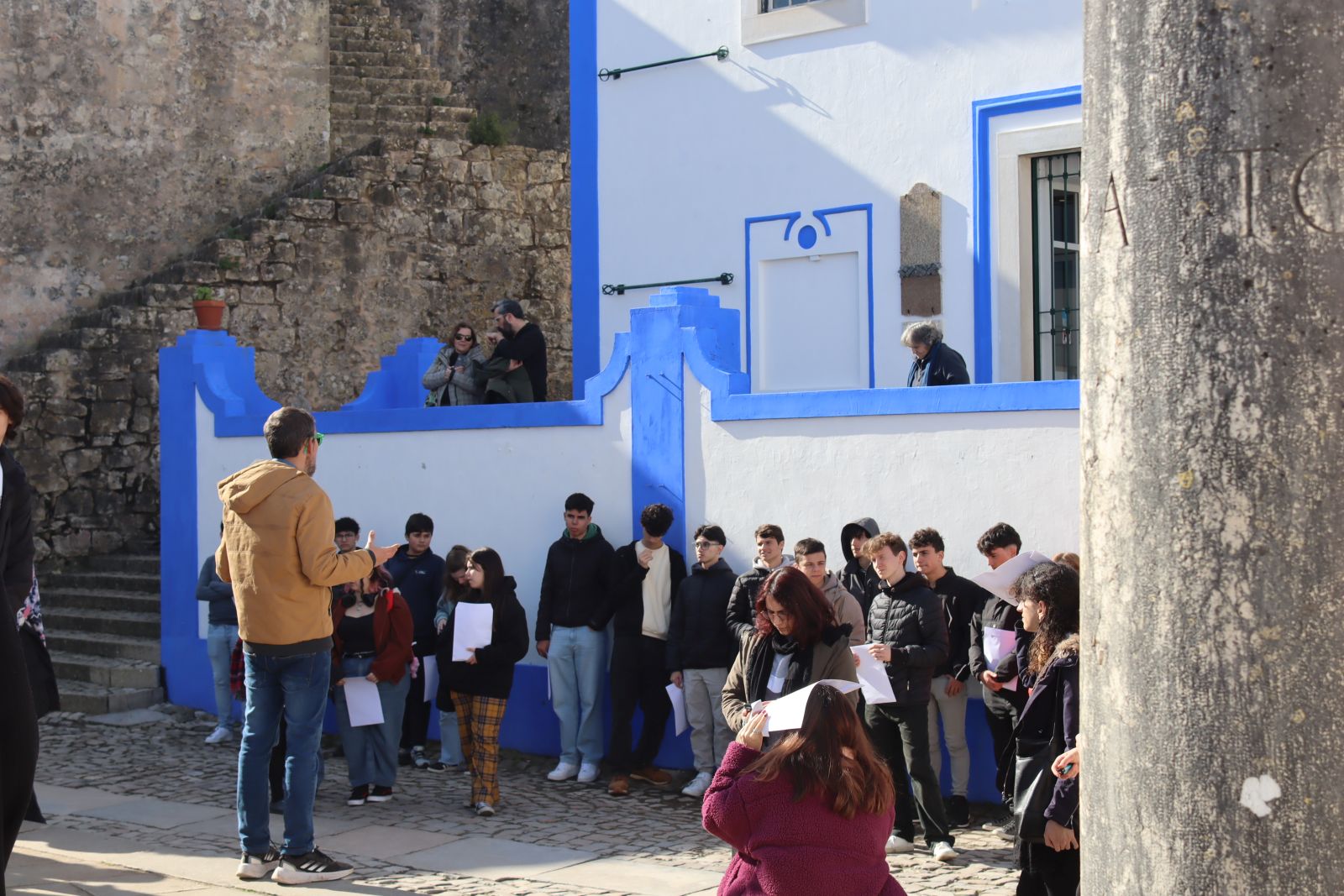
The Óbidos Cultural Hub embeds its activities in the city, taking partners and participants on journeys throughout the city, exploring heritage places and meeting people. This multiplicity of spaces and sources of reflection and inspiration really helped to not only spark ideas for games, but to ground them in critical reflection on cultural heritage and European values. Through an iterative process, game-making is tapped into as a medium for co-creating culture across generations and expertises.
Meet the Hub
The Óbidos Cultural Hub in Portugal brings together expertise in participatory design, engaged participation, and cultural creativity, through its partners:
- Cultural Heritage: City of Óbidos
- Creative Industries: Battlesheep
- Higher Education: Lusófona University (Cultural Hub Lead)
- Youth Citizens: Youth Advisory Board and Youth Participants
The partners in this hub are proficient in game design and development, including serious, educational, and research-based games. Through game jams and working closely with youth, the Óbidos Hub is committed to addressing the European Union values of equality and democracy, working towards the promotion of plural voices, fostering diverse and inclusive participation, and contributing to a rich cultural landscape.
The biggest potential of cultural game jams is the educational value and the possibility of passing on and learning about your own culture Maria Costa, Youth Advisory Board Member
Having all the stakeholders together, ideating and working on the project…and then evaluating the results and taking it from there and making decisions… you get immediate results because you can see the reactions and then have on-site discussions…It’s a way of being agile. Nélio Códices, Battlesheep
To hear more from Hub participants on why they joined and what they learned from Cultural Game Jams, check out the expert interviews.
Cultural Game Jams
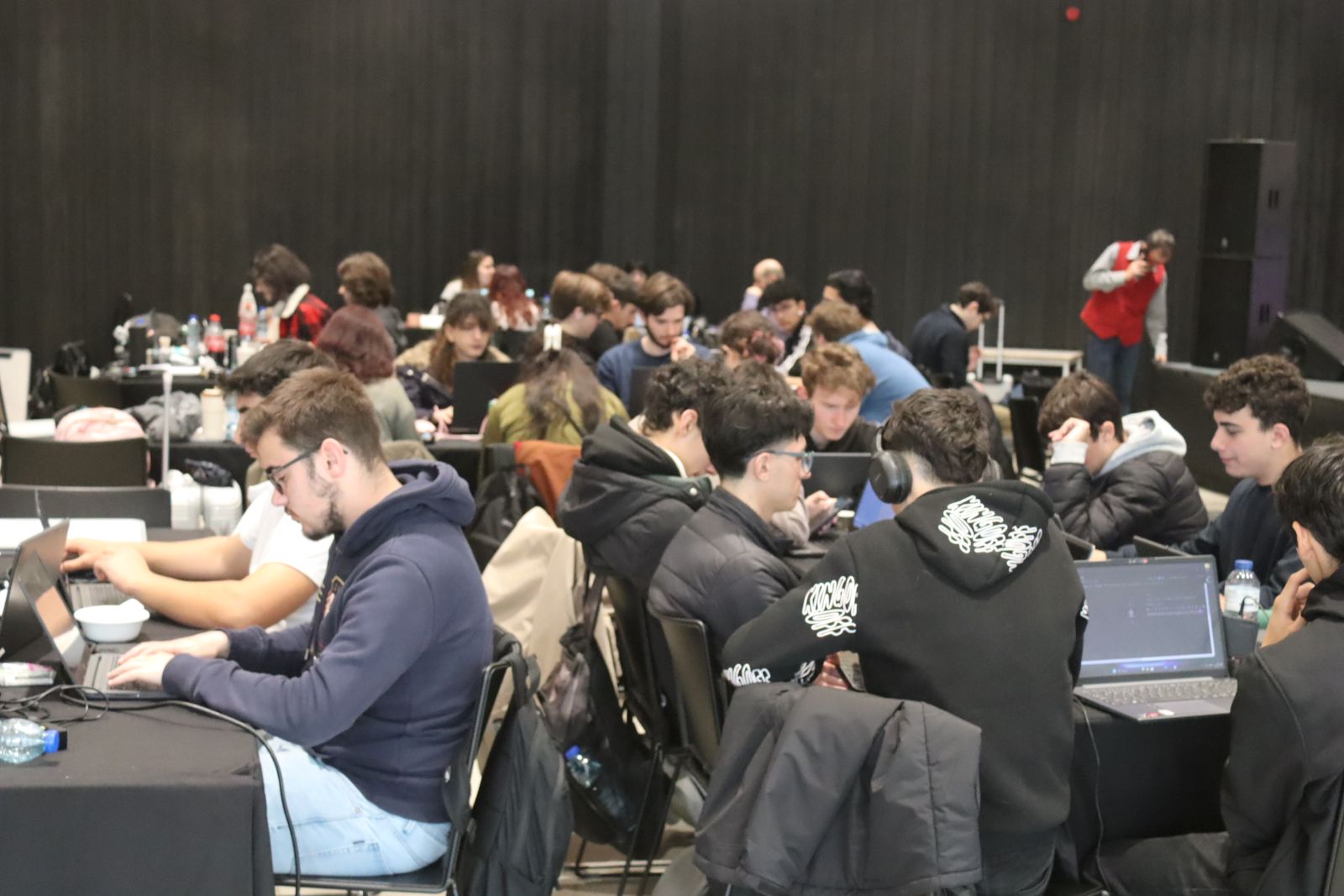
Cultural Game Jams are immersive, hands-on events where participants are game makers. By prototyping, storytelling, and imagining games that engage with heritage, societal values, and pressing issues, game makers are making, interpreting, and experiencing culture. The city of Óbidos is the cultural environment for each of the Game Jams, providing a rich cultural heritage landscape for Hub partners and Cultural Game Jam participants to engage with. Prior to each of the events participants went on cultural visits, such as the Óbidos Lagoon and folklore sites, to learn more about the cultural significance and reflect on what this could mean for game-making.
After each Cultural Game Jam, key learnings and challenges helped to iterate and change the next Game Jam. It was important to reflect on participant feedback and experience, and the extent to which cultural heritage and European values were integrated.
It was much better here, the atmosphere, getting out of here, visiting the village, taking a stroll. It gave me ideas I would never have had just staying in a classroom. Participant from Cultural Game Jam 1
Iterating Cultural Game Jams
Cultural Game Jam 1 - February 6–9, 2024
- 26 participants (ages 18-28)
- Theme: Inspired by Óbidos’s recognition as a cultural heritage site (UNESCO City of Literature), participants created games through/for culture that celebrated literary heritage and engaged with European values.
- Additional partners: Game-making experts from Lusófona University and Battlesheep, Hub partners, were invited for the Expert Council and Jury. The Mayor of Óbidos also visited for the public showcase of game prototypes.
- Highlight: Unlike shorter formats at other cultural hubs, this was a four-day residential Cultural Game Jam. Prior to the event, activities such as a lecture on Óbidos as a literary town, curated online materials, a VNA (Values, Needs, Actions) ideation exercise, and a guided cultural tour really helped to ground prototypes in lived cultural encounters.
- 9 prototype games
- What worked: The town of Óbidos worked very well as an immersive cultural heritage setting, inspiring game mechanics, visuals, and storytelling. This was strengthened by the pre-game jam activities Having pitch sessions throughout the game jam helped participants to critically evaluate cultural heritage integration. Recruiting students via the video games course’s Discord server worked well.
- What needs improvement: There were some gaps in recruitment, especially in regards to gender balance and the representation of younger participants. As participants had no role in defining the theme or agenda, empowered participation was limited. While the theme of “UNESCO City of Literature” was meaningful through the cultural visits, it was also vague for some of the participants.
What changed?
- The Cultural Game Jam Kit was adapted based on feedback from participants of all the Hubs. This included a ‘Unity Framework’ to support high school participants with limited coding experience.
- To recruit more younger students, the Hub worked with teachers from Josefa de Óbidos Secondary School.
Cultural Game Jam 2 - April 29–May 2, 2024
- 40 participants (ages 15-25, mix of university and secondary school students)
- Theme: Addressed sustainability by engaging with the cultural heritage site of the Óbidos Lagoon and the UN Sustainable Development Goals (SDGs), especially Goals 14 and 15 (Life Below Water and Life on Land).
- Additional partners: Five secondary school teachers supported their students during the Cultural Game Jam. For the Expert Council and Jury game-making experts from the university and Battlesheep were invited.
- Highlight: Preparatory activities included an online informational session, an expert lecture about the SDGs and biodiversity, and a guided lagoon visit led by local cultural and biodiversity experts.
- 14 prototype games
- What worked: The activities organised prior to the Cultural Game Jam helped give participants time to absorb cultural insights before they started developing their games. A process of continuous facilitation supported keeping games thematically grounded. The adjusting the recruitment strategy to work more closely with educators helped to diversify participation.
- What needs improvement: Many of the high school students’ computers could not run Unity, limiting their participation. High school and university participants also often worked separately, limiting collaboration. Youth continue to be excluded from theme-setting and planning, restricting empowered participation.
What changed?
- The theme ‘That’s Not Fair!’, encouraging youth to focus on fairness, (in)justice, and inclusion/exclusion in society and everyday life was implemented across the three Hubs.
- Shortly after this Cultural Game Jam, the Youth Advisory Board was formed.
Cultural Game Jam 3 - February 4–7, 2025
- 38 participants (mix of university and secondary school students)
- Theme: Mixed secondary school and university participants co-created games for culture on That’s Not Fair!, linking the cultural heritage events of December 1st 1973 (Reunion of the Captains) and the Portuguese April 25th Carnation Revolution to questions of democracy and justice.
- Additional partners: Professors Hugo Barata and Inês Marques, cultural facilitators, and art curators were invited to support ideation and group dynamics. Mayor Filipe Daniel also paid another visit to the Cultural Game Jam.
- Highlight: A set of ideation activities, including Twine storytelling workshops and a shadow projection exercise using natural materials helped to frame the Cultural Game Jam, sparking creativity especially for the university students.
- 9 prototype games
- What worked: The integration of a Youth Advisory Board into the planning and preparation helped to empower participation through their first-hand experience. Cross-disciplinary approaches were evident in the game prototypes, with sound design and visual arts students adding artistic polish and depth. The theme helped to embed democracy and resistance in game narratives.
- What needs improvement: To tackle the recurring limited collaboration between the university and secondary school students, more structured and shorter interactive activities should be planned. This iteration, the time between preparatory activities and the Cultural Game Jams was shorter, impacting the time for reflection following cultural visits.
What changed?
- University students were given time during the programme to do some independent work, helping to mature ideas.
- More time was planned between the cultural visits and the game prototyping phase.
- All Hubs integrated the theme ‘Cultural Heritage Remix’ into their Cultural Game Jams. The Youth Advisory Board took charge of selecting the focus on folklore.
Cultural Game Jam 4 - May 13–16, 2025
- 41 participants (mix of secondary school and university students)
- Theme: Mixed-age teams reinterpreted local folklore and heritage into games through culture, taking on the cross-Hub theme ‘Heritage Remixed’.
- Additional partners: Game-making experts from Lusófona University and Battlesheep, Hub partners, were invited for the Expert Council and Jury.
- Highlight: The focus on folklore and oral history was selected collaboratively between the Youth Advisory Board and Óbidos’ cultural leadership. A preparatory activity was a guided village tour of Óbidos’ folklore sites one week prior to the Cultural Game Jam. This gave participants time to reflect on the legends and begin shaping concepts.
- 10 prototype games
- What worked: Pre-Cultural Game Jam activities gave participants enough time to reflect prior to developing their prototypes. Team-building sessions helped to break down barriers between the different age groups.
- What needs improvement: Following the team-building sessions, there was still limited cross-group interaction. Values-based design should be introduced earlier in the programme. The Ideation Wheel activity, for example, was integrated too late in the programme, weakening the presence of European values in game prototypes.
Read the report D4.1 for more detailed descriptions of each of the game jams, recruitment process, planning, execution, research methods, feedback.
Games
The games developed during the Cultural Game Jams are representative of the collective work of all stakeholders, reflecting workshops, resources, feedback, and other forms of co-creation involving every member of the ecosystem. Through the format of the Cultural Game Jam, partners and participants experimented with how to bring different forms of expertise and imagination together, co-creating game prototypes that engage with many forms of cultural values and cultural heritage.
The following image gallery shares a sample of the game prototypes co-created at the Óbidos Cultural Hub. They can be explored in full on the Cultural Games Prototype page.
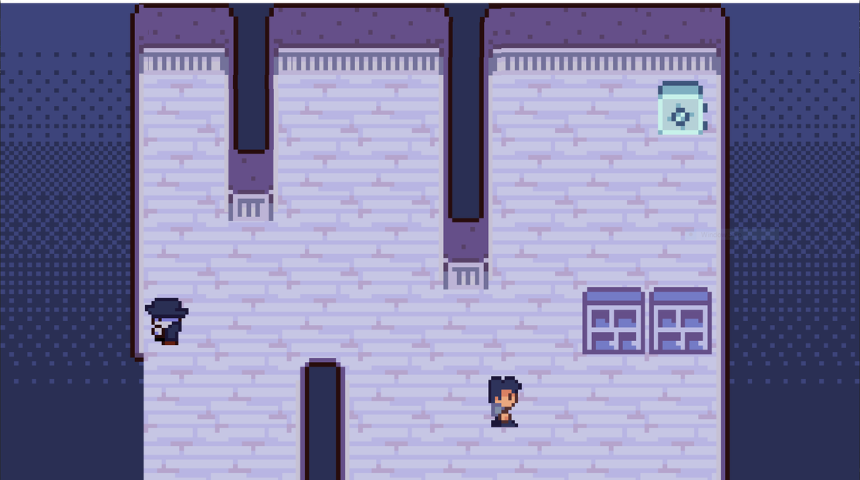
Featured Games
Following the Cultural Game Jams, a handful of cultural game prototypes were selected to be developed further in collaboration with the game studio BATTLESHEEP, a game development studio based in Lisbon, Portugal.
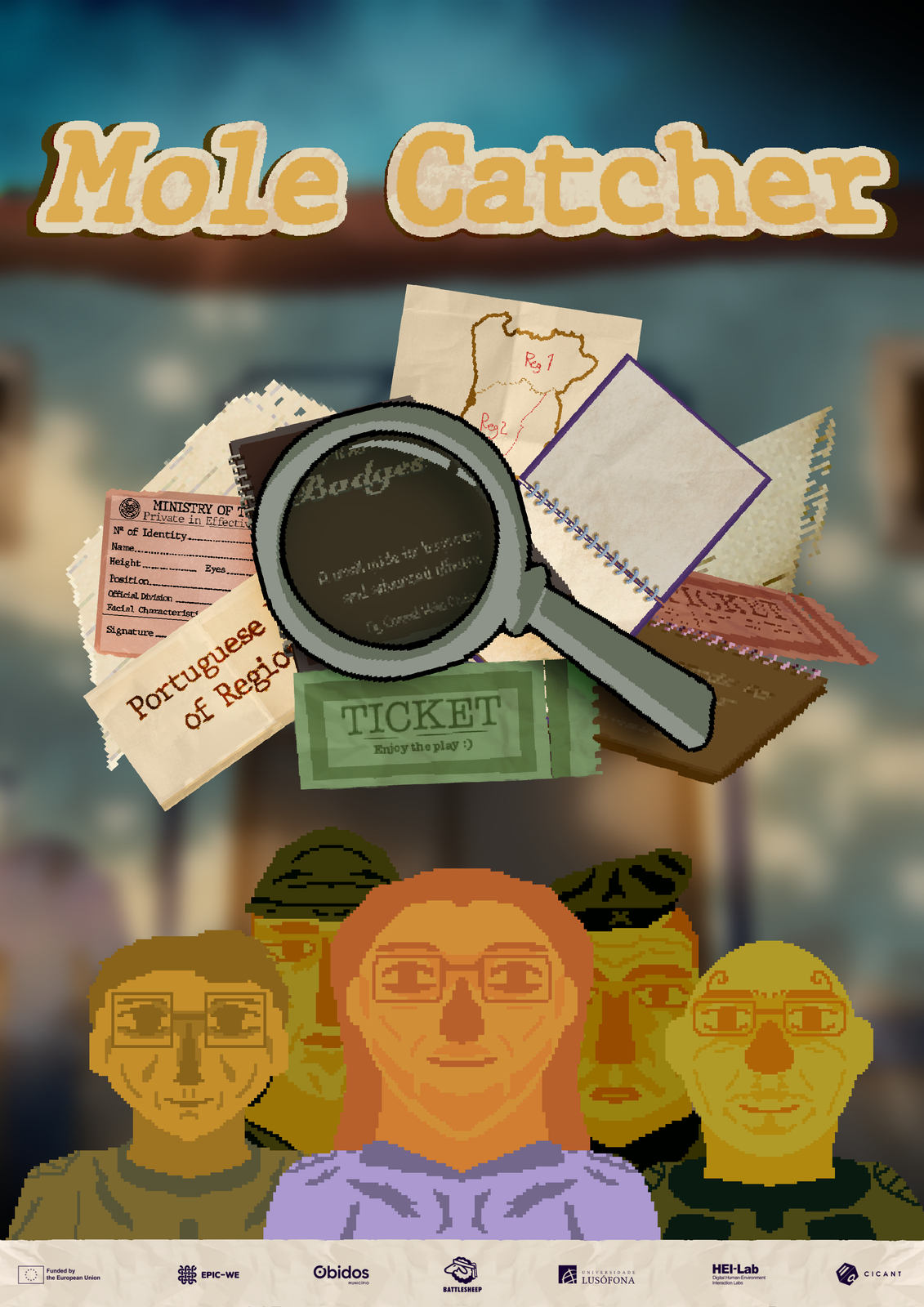
Mole Catcher
In the game Mole Catcher you are transported back to 1974 Portugal, which is under the regime of a dictatorship. You are stationed in the small town of Óbidos as a revolutionary tasked with keeping check of who enters the village’s iconic theatre, which is home to a crucial meeting for the upcoming revolution, meant to overthrow the dictatorship! However, you are informed that moles are trying to infiltrate the meeting. It is your job to check documents and compare information to find out who the moles are!
The game Mole Catcher was originally created by Team Ovo Estrelado, four young people who took part in the third Cultural Game Jam in Óbidos. Behind Team Ovo Estrelado are Cátia Nascimento, Maria Sequeira, Júlia Costa, Tiago Lourenço. Mole Catcher was later matured in collaboration with the game studio BATTLESHEEP.
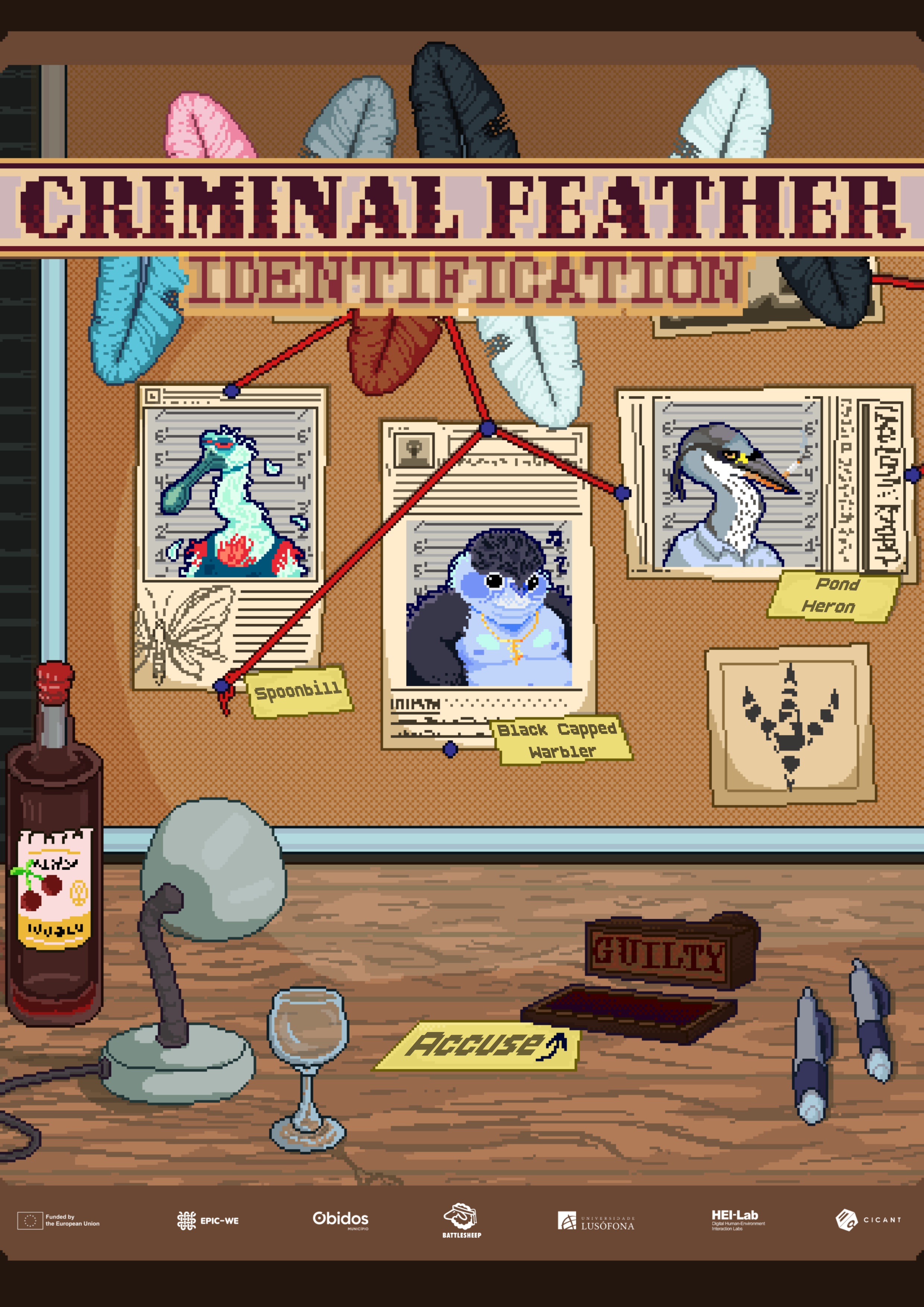
C.F.I.: Criminal Feather Identification
C.F.I.: Criminal Feather Identification was made with the objective of offering, through some ridiculous designs and laidback aesthetics, a way to teach or promote interest in the lagoon's fauna and other dynamics within this ecosystem. In the Óbidos Lagoon, several crimes occur throughout the year. From stealing someone's precious items to well-prepared murder scenes. The culprits? Birds! Play as a detective and find out who committed the atrocities written in the case files.
The game C.F.I.: Criminal Feather Identification was originally created by Júlia Costa, João Nogueira, Gabriela Branco, Afonso Cunha, Mariana Martins and António Rodrigues. Six young people who participated in the second Cultural Game Jam in Óbidos. The game was later matured in collaboration with BATTLESHEEP.
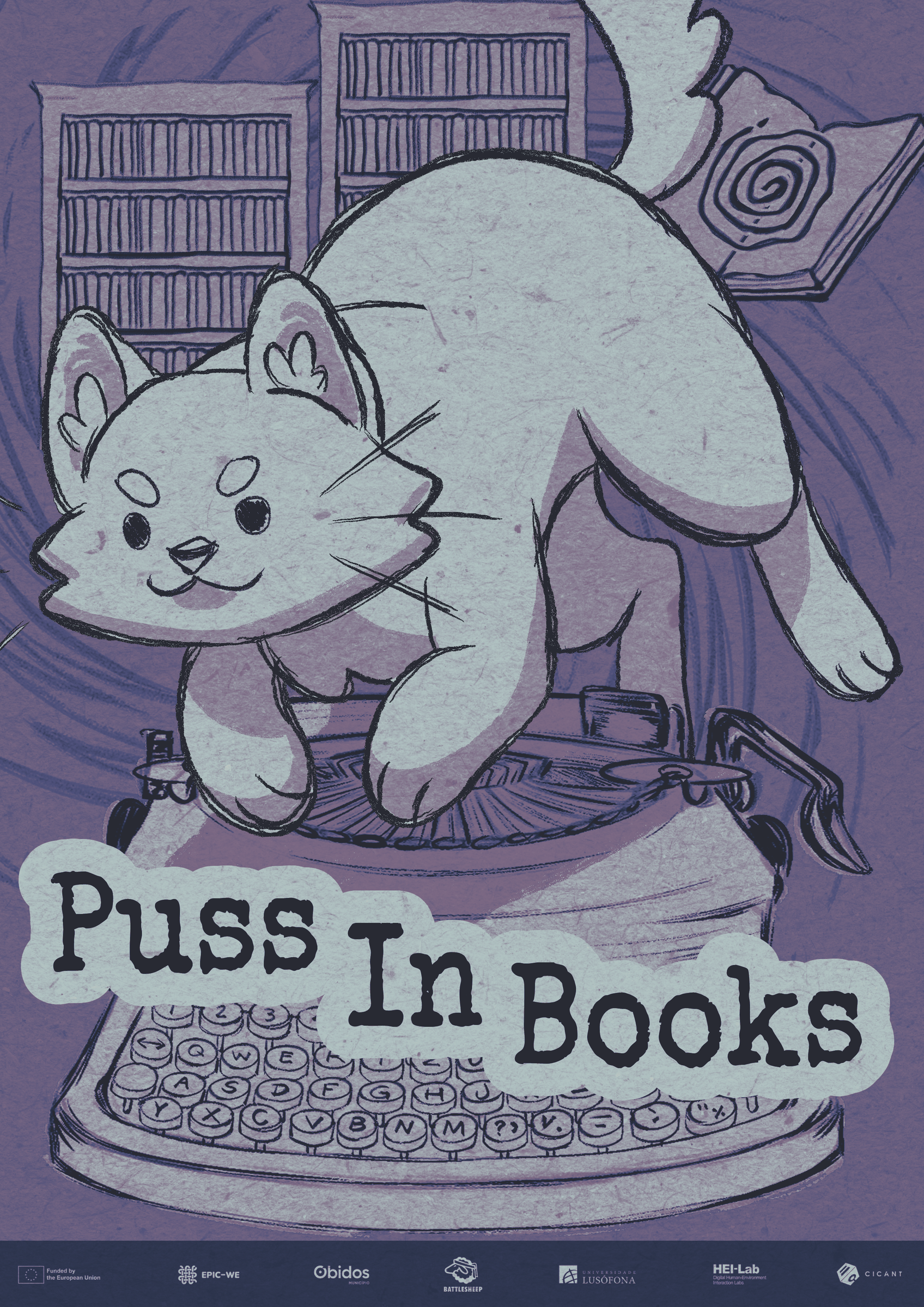
Puss in Books
In Puss in Books, you embark on a journey guiding a kitty through a whimsical journey as it explores dreams inspired by Óbidos' legends. Traverse a literary world and craft an enchanting narrative as the cat travels through the captivating scenarios within its dreams. Experience a blend of imagination and adventure, where each dream unveils new challenges and discoveries in a quest to uncover the essence of literary magic.
The original prototype game of Puss In Books was created by Team Ovo Cozido, two young people who took part in the first cultural game jam in Óbidos, in February 2024. Puss In Books was later matured in collaboration with BATTLESHEEP, a game development studio based in Lisbon, Portugal.
You can explore the featured games developed in collaboration between youth and creative industry at each Cultural Hub.
Learnings and Impact
Each Cultural Hub is guided by six core principles for cross-sector, participatory cultural innovation: democratizing cultural innovation, forming equal and transformative partnerships, meeting in the middle, co-creating for public good(s), developing real-world Cultural Hubs, and advancing empowered participation. These principles helped structure reflection and evaluation on how partners worked together, shared responsibility, and contributed to co-creation. The following section shares learnings and reflections from the Óbidos Cultural Hub across several of these principles. For more about how all six of these principles were implemented across all Hubs, read the D4.2 report.
Developing Real-World Cultural Hubs
By making use of existing networks and physical spaces, Cultural Hubs and their activities manifest in ‘the homes’ of the partners, whether these spaces are physical or virtual. The objective is to reconfigure and develop these spaces so they can be collectively inhabited and shaped by all partners.
In the Óbidos Cultural Hub participants greatly appreciated the cultural visits. By visiting locations that already carry meaning for people – places where participants could draw inspiration from the culture embedded within them, such as libraries, museums, or heritage sites, the chosen themes of the Cultural Game Jams became more tangible. Although the Cultural Game Jams typically follow a 48-hour format, in the Óbidos Cultural Hub they stretched to nearly four days. ‘Prejam’ activities, including guided tours of the town and its historically significant cultural heritage sites, were given enough time to have an impact on the creativity of participants, proving fundamental to the rich and fruitful outcomes of the game-making.
Advancing Empowered Participation
What is empowered participation, and how can it be realised? It goes beyond consultation or being heard, and beyond traditional user involvement or end-user roles, it foregrounds shared responsibility, mutual respect, and collective agency in imagining, shaping, and stimulating cultural innovation.
Involving young people as equal partners is not a straightforward path – it involves ‘failing forward’ as well as multiple iterations. At the Óbidos Cultural Hub, youth participation was limited in the early stages of the project, as young people were initially recruited only as participants without influence on the structure or themes. The Youth Advisory Board was only established by the third Game Jam, and young people only gained genuine decision-making power in the fourth. At the same time, it felt unfair to ask for the same level of work of the Youth Advisory Board members who were working voluntarily. Developing game prototypes into matured games also required a lot of work from youth participants, as they were crucial for documenting and implementing changes and improvements to games, and for creating art and audio assets. In this case they were compensated for their work. Earlier involvement would have enabled stronger co-creation and reciprocal learning between youth and partners.